A plan shaped around your needs.
Removing a tooth is never the first choice — a natural tooth is worth saving where saving is realistic. Extraction becomes the recommendation when a tooth is too damaged to restore, severely decayed beyond repair, problematic due to infection, or affecting the health of neighbouring teeth.
Reasons extraction may be considered
The most common reasons are decay or fracture too extensive to restore, severe gum disease that has left a tooth without support, infection that root canal treatment cannot resolve, a problematic wisdom tooth, or teeth removed as part of an orthodontic or denture plan. The decision always follows examination — extraction is a recommendation, not a default.
How the procedure works
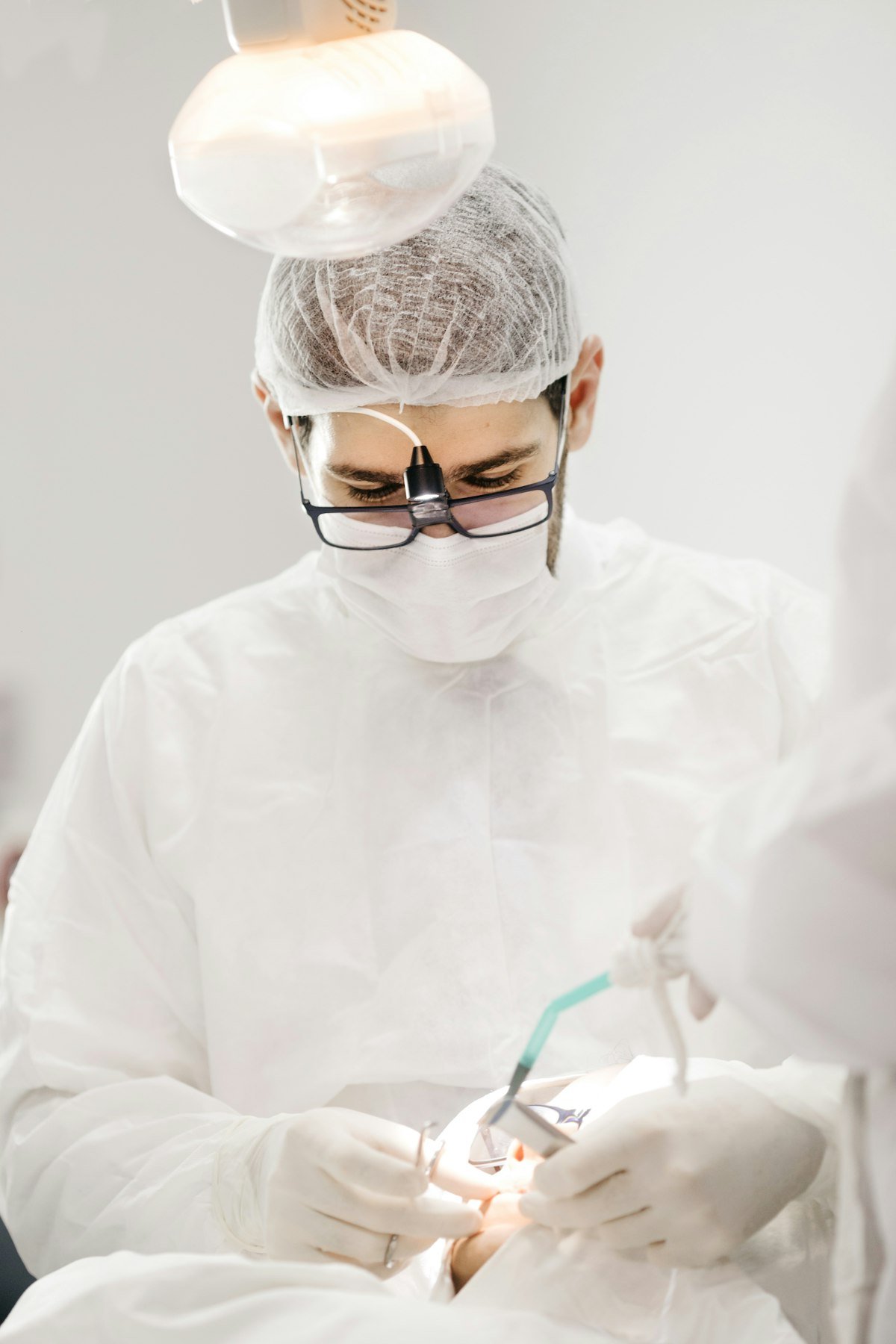
The area is numbed so you feel pressure rather than pain. The tooth is loosened and removed; some teeth come away straightforwardly while others need a more surgical approach. Afterwards, a blood clot forms in the socket and healing begins — protecting that clot in the first days is the most important part of recovery.
Planning for after
Where a tooth is being removed, the replacement conversation often matters as much — whether the space is left, or a denture, bridge, or implant is planned. Your clinician will discuss what leaving a gap means for the surrounding teeth before the extraction is done.
Who may benefit from this care
- A tooth too decayed or broken to restore
- A tooth loose from advanced gum disease
- Infection that root canal treatment cannot manage
- A problematic tooth affecting neighbouring teeth
Potential benefits to discuss
- Removes the source of pain or infection
- Protects surrounding teeth and gum health
- Simple, well-understood procedure
- Opens the way for a considered replacement plan
Treatment procedure
After assessment and imaging, the area is numbed and the tooth removed — straightforward for many teeth, more involved for others. A clot forms in the socket to begin healing, and your aftercare instructions protect it while the gum closes.
Aftercare and follow-up
Bite on the gauze provided as directed, avoid rinsing, straws, and smoking in the first day or two, eat soft food away from the site, and take any medication advised. Call the clinic if bleeding persists, pain worsens after a few days, or a bad taste develops — signs that need checking.